Fume Hood & Fume Cupboard Testing
With unrivalled expertise and decades of proven delivery, Total Clean Air builds world-class cleanrooms you can trust.
What is Fume Cabinet testing?
A fume cabinet is a piece of equipment that’s primary function is to protect the operator from toxic fumes, gasses or particulates. There are two key types, ducted fume cabinets and recirculating (ductless) fume cabinets.
The principle is the same for both types: air is drawn from the front (open) side of the cabinet and either expelled from the building via ducting or made safe through filtration and returned to the room.
The fume cabinet is designed primarily to:
Protect the user from inhaling toxic emissions
Secondary functions of these devices may include protection from explosion, spillage, and other functions necessary for the work done in the equipment and cleanroom environment.
Owing to the critical nature of what it is being used for, performance testing is vital to confirm that the fume cabinet operates at a level that ensures the desired capture, control, and removal of the emissions.
The tests are covered by COSHH regulations for Local Exhaust Ventilation Systems.
If the cabinet is already in operation in the laboratory, it is recommended that it be tested under two operating conditions: when installed (commissioned) and after use. COSHH regulations state that local exhaust ventilation (LEV) equipment be tested every 14 months.
For the “commissioning” test, the fume cabinet is installed at the customer’s location and tested when it does not contain anything, but with the ventilation system balanced in the installation. The “after use” test is performed after the cabinet has been installed and used.
Here at Total Clean Air, helping our customers to keep their work environment safe and fulfil their legal obligations is exactly what we do. Our fume cabinet testing is carried out to conform to BS EN 14175 and BS 7989.
Each member of our team has gone through extensive training, which means that when choosing Total Clean Air, you are entrusting your LEV testing to the competent person, just as the law says you should.
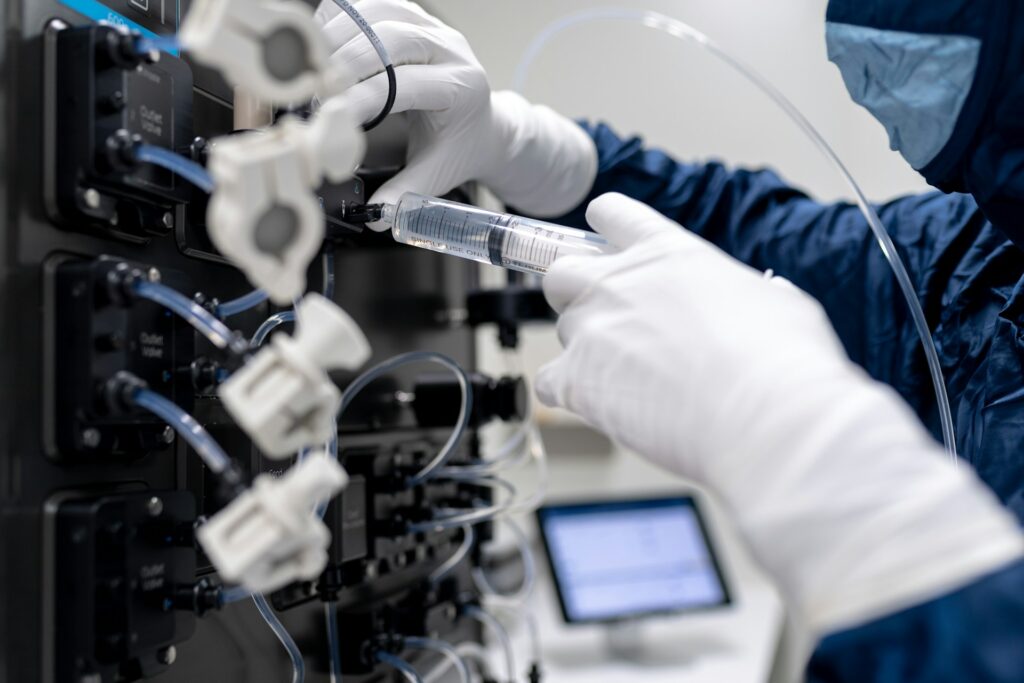
Benefits to using Total Clean Air
Our accredited engineers follow a systematic, hands-on approach to ensure every aspect of your testing, servicing u0026 validation
-
All Work Is Guaranteed
-
Full Manufacturer Warranty
-
ISO Accredited Validation
-
Operational Qualification
-
Performance Qualification
-
References Available
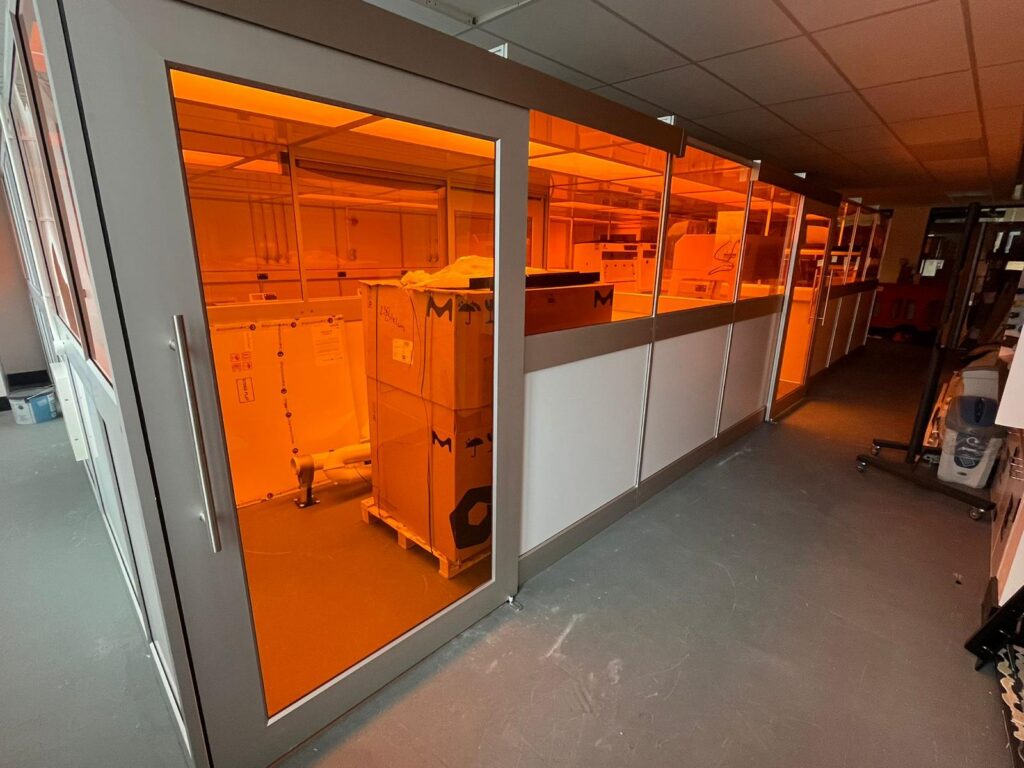
Ducted Fume Cabinet Testing
Ducted fume cabinets have externally placed fan units that are connected to the fume cabinet via ducting. Generally, these cabinets pull air out of their front opening, , in order to vent to a safe position on the roof of the building. This discharge point is typically three metres above the roof line and from here, hazardous fumes can be safely expelled into the atmosphere.
The Control of Substances Hazardous to Health in the 2005 Regulations require that LEVs be maintained in effective working order and that they are in good state through examination and testing.
To this end, fume cabinets, ducts and all the relevant extraction equipment must be examined and tested at least once in every 14 months.
The relevant records and testing and repairs need to be kept for at least five years and the label attached to the cabinet must indicate the date of the tests and other pertinent information. Fume cabinets found to be below the standard appropriate for the stated type of use must be removed from use until repair is completed.
Whether you need your fume cabinet commissioned to ensure that it delivers the level of safety you need, or you want to arrange for our expert engineers to test and service your equipment, Total Clean Air will always provide you with a professional, reliable , cost-effective and friendly service.
Ductless Fume Cabinet Testing
The recirculating or ductless fume cabinets are self-contained units that remove contaminated air from the opening, pass it through the filtration system and discharge it back into the room. The type of filter used depends on the class of chemicals to be used, and the filters in these cabinets have a limited lifespan.
It is vital to ensure that the absorbency capacity limit of the filter is not exceeded, as this may result in hazardous substances being released back into the work environment.
Consideration should be given to whether such equipment can provide adequate, reliable control of the anticipated hazards, and whether resources and a safe work system are in place to ensure that the unit is monitored and maintained.
The main reason for the use of a fume cabinet is to provide the operator and other laboratory personnel with a safe working environment. It is therefore vital that this equipment is constantly tested to ensure that it operates at optimum performance and consistently meets the required standards.
A ductless fume cabinet should be tested by an accredited, competent person when it is first installed. It is also covered under COSHH and must be tested every 14 months.
Total Clean Air offers general inspection and testing of ductless cabinets in accordance with BS EN 14175 and BS 7989.
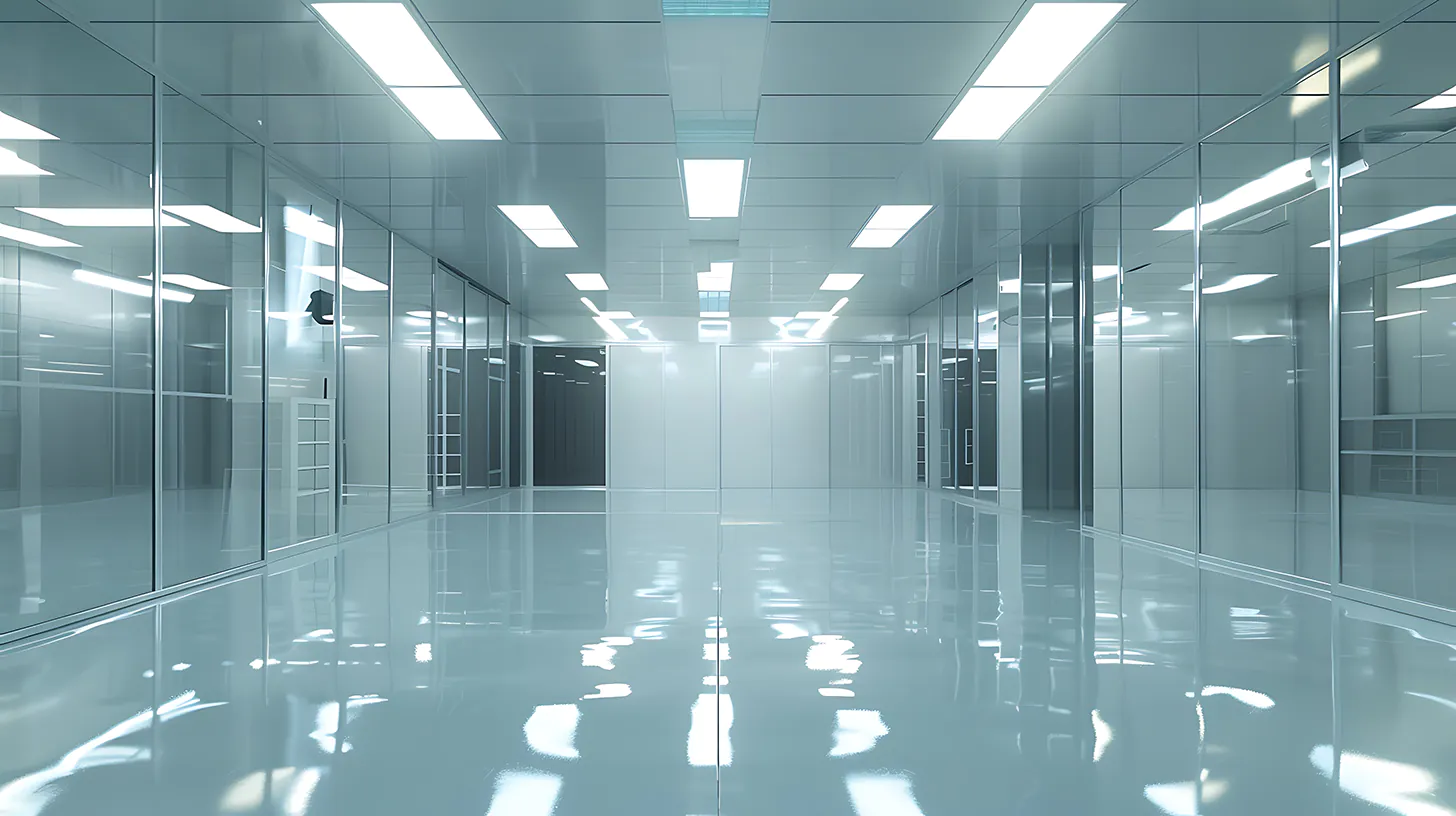

Total Clean Air offers a complete turnkey package for all your cleanroom requirements


View more services:
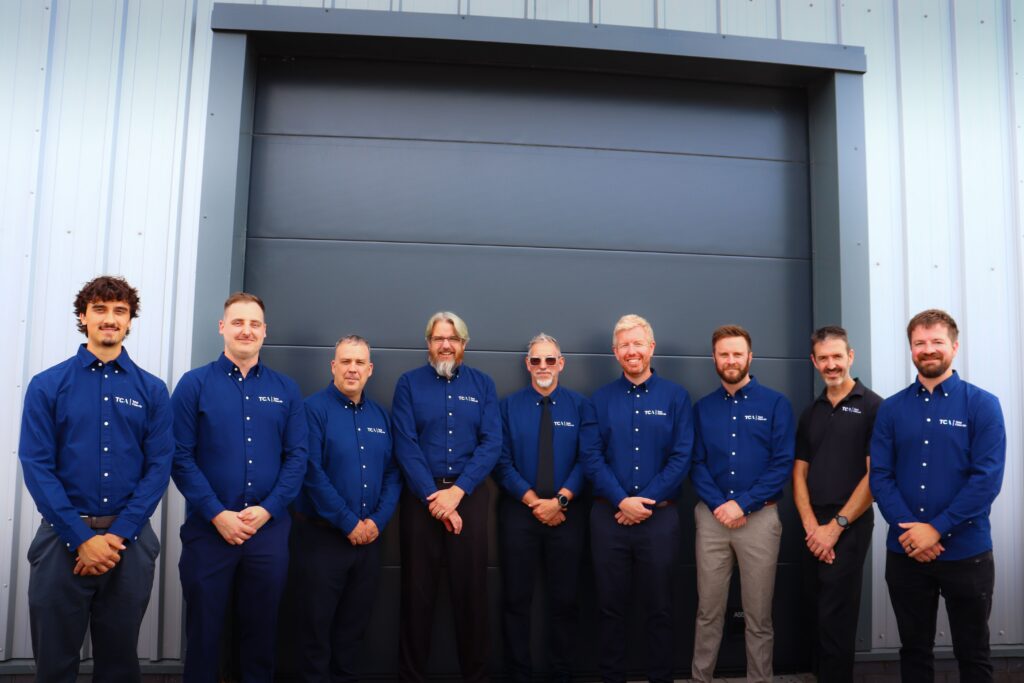
Cleanroom
Commissioning & Validation
Our team ensures your cleanroom is fully operational and compliant, with thorough commissioning and validation processes for peace of mind.
Explore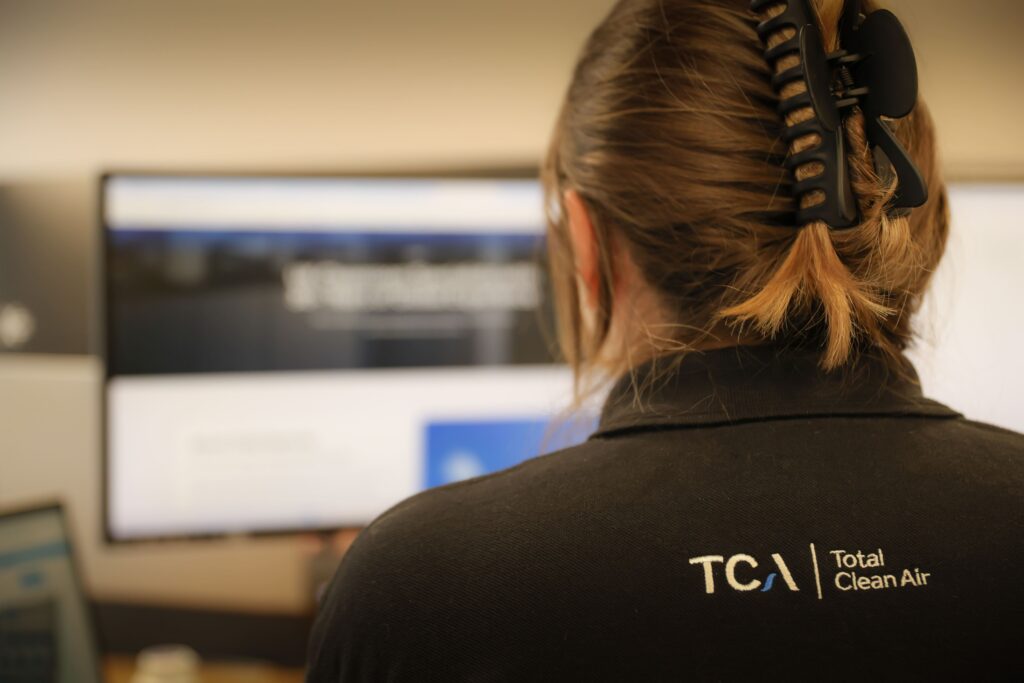
Cleanroom
Consultancy
Providing expert guidance on design, compliance, and operation to ensure controlled environments meet regulatory standards and perform efficiently.
Explore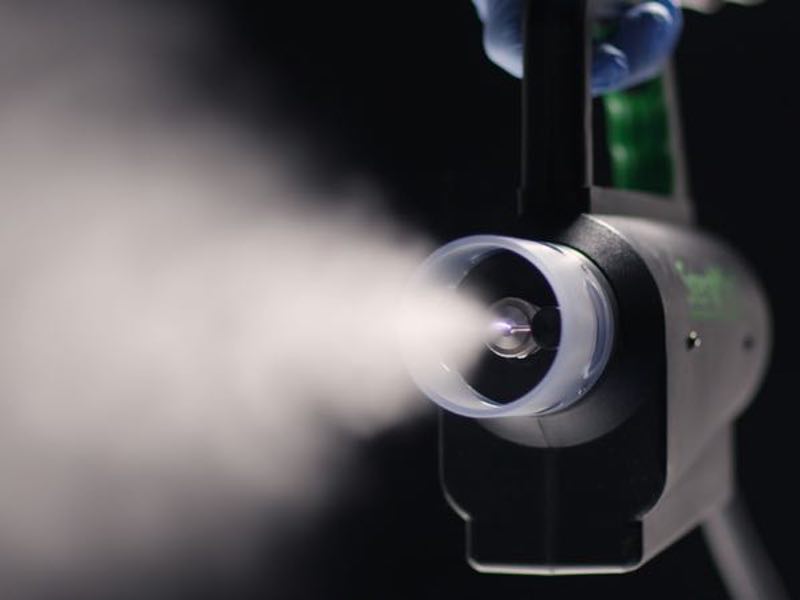
Cleanroom
Decontamination Solutions
SteraMist® is an advanced decontamination system using ionised hydrogen peroxide to deliver rapid, residue-free sterilisation of air and surfaces.
Explore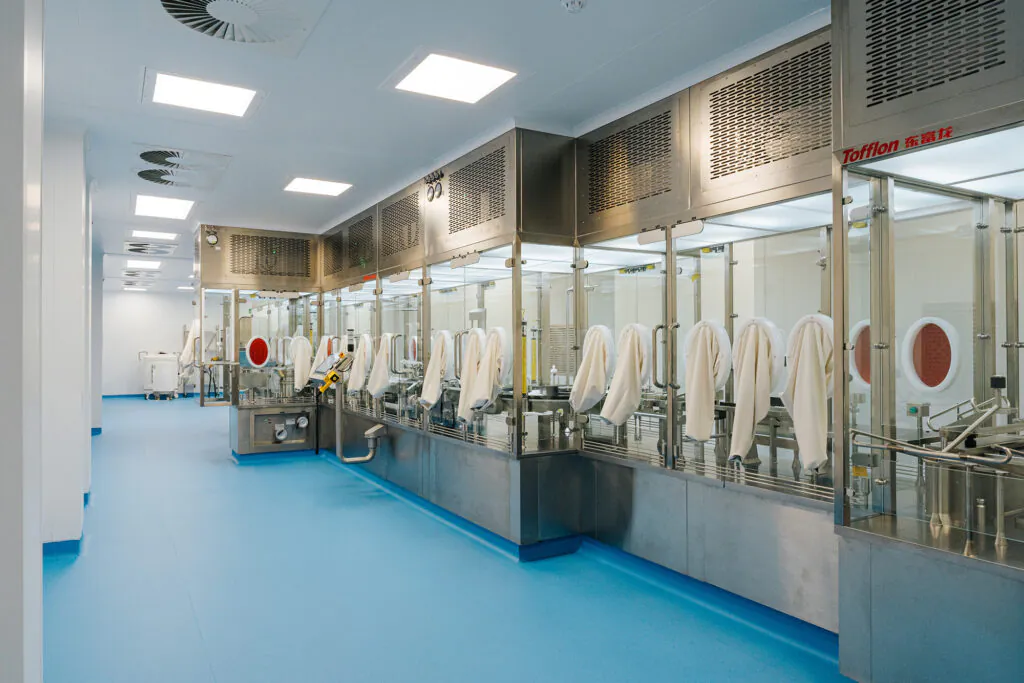
Cleanroom
Design & Construction
We create tailored cleanroom solutions, engineered to your exact specifications, ensuring performance, compliance and efficiency from the ground up.
Explore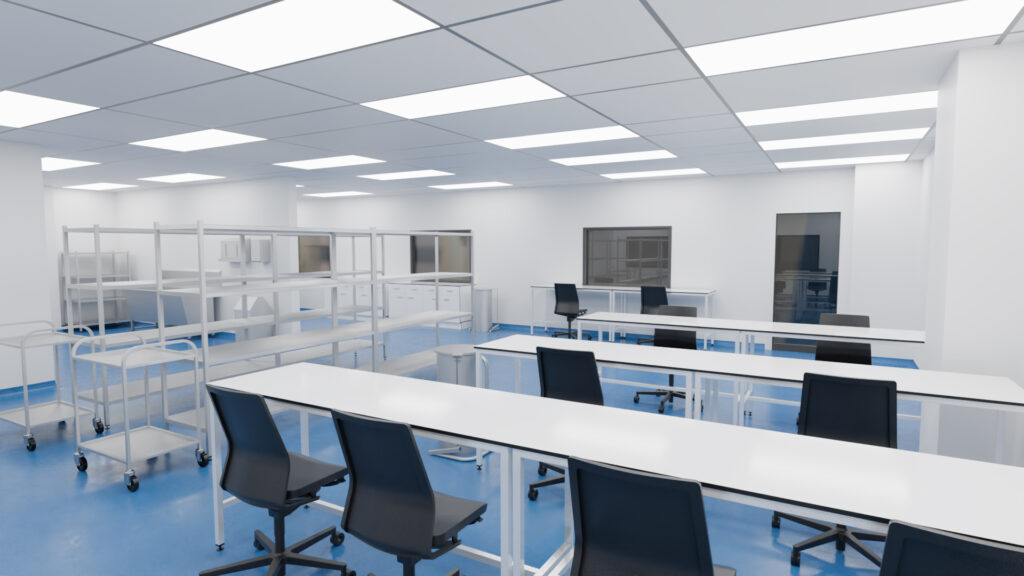
Cleanroom
Furniture
From modular to fully customisable solutions, our cleanrooms are built to meet the strictest standards for quality, compliance and operational excellence.
Explore
Cleanroom
Maintenance & Servicing
Keep your cleanroom performing at its best with our expert maintenance and servicing solutions, designed to minimise downtime and maximise reliability and efficiency.
Explore
Environmental
Monitoring
Providing real-time environmental monitoring, delivering accurate, continuous data on air quality and critical conditions to support compliance and optimise controlled environments.
Explore