Downflow Table Testing
With unrivalled expertise and decades of proven delivery, Total Clean Air builds world-class cleanrooms you can trust.
Downflow Table Ventilation Testing, Servicing & Validation
Downflow tables capture and filter harmful pollutants so that clean air can be returned to workstations and laboratories in accordance with clean air rules and regulations. This advanced filtration system reduces costly cooling or heating costs when compared to the usual methods of exhausting contaminants outside the workplace.
Total Clean Air helps companies comply with complex regulatory codes relating to indoor air quality.
Our dedicated specialist team will help you to identify any legal and regulatory problems that may be present in your systems so that your business complies with all necessary codes.
Benefits of using Total Clean Air
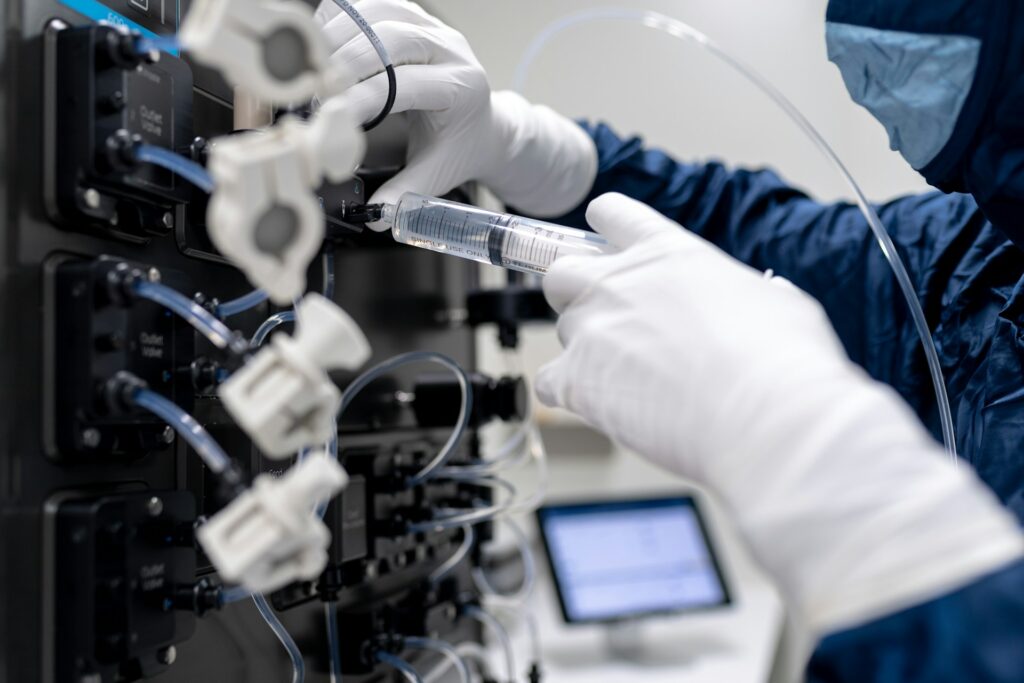
Our accredited engineers follow a systematic, hands-on approach to ensure every aspect of your testing, servicing validation
-
All Work Is Guaranteed
-
Full Manufacturer Warranty
-
ISO Accredited Validation
-
Operational Qualification
-
Performance Qualification
-
References Available
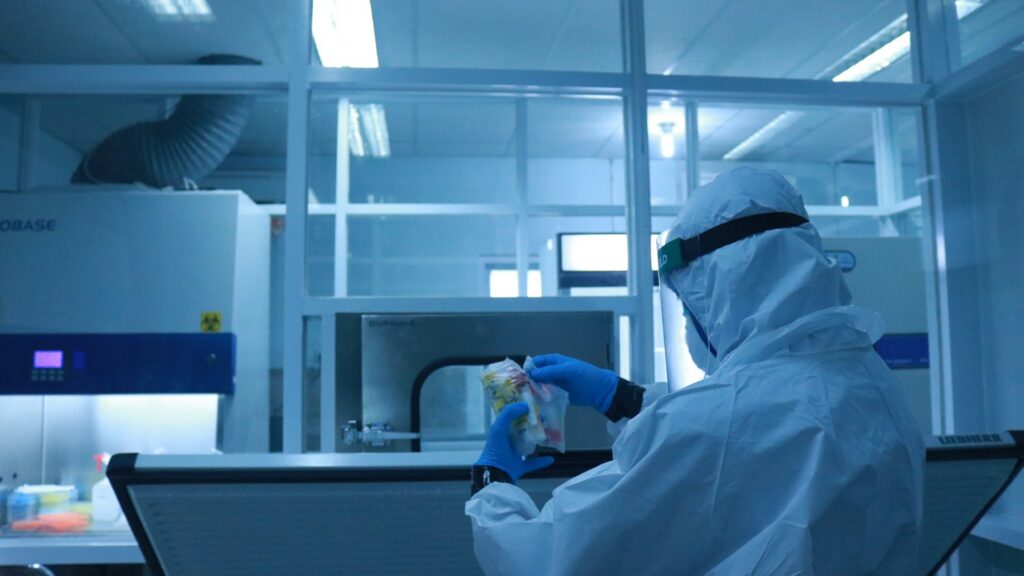
What is Downflow Tables Testing and Validation?
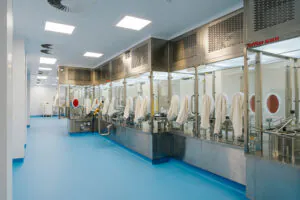
A downflow table pulls pollutants, smoke, and gases past the worktop and away from the user. The chemicals are removed and processed by a HEPA filter.
A HEPA filter removes particles by means of a highly effective carbon filter, which is also effective against toxic vapours and fumes.
Checking and validating these tables will help you comply with COSHH regulations and the health and safety laws.
Also Called Downdraft Tables
Downflow tables, also called downdraft tables remove contaminants from the worker’s breathing and vision zones, increase the quality of work and decrease hazards in the air quality, protecting workers in immediate and surrounding areas.
It is particularly suitable for areas in which welding, soldering, sanding grinding and other finishing processes take place.
Air Change Rates
An air change is how often air enters and exits a space within one hour via the HVAC machine or, how often within sixty minutes a room will fill with the air from the supply registers.
Because of automatic and passive ventilation and penetration through the building exterior, air is constantly transferred between buildings and their surroundings. The rate at which air is transferred is a significant property for measuring ventilation design and heat loss, which is expressed in air changes every hour (also referred to as ACH).
Complete rate, flow style, and exchange efficiency play vital roles in the performance and cost of cleanrooms. The efficiency essentially decides the return on investment in a cleanroom project.
In buildings, specific air change rates are required to regulate internal temperatures and to introduce clean, oxygen-rich air and take away stale, moist air. The requirements will vary depending on a number of factors including space type, occupancy and use level, and the building’s geographic location.
In the United Kingdom, several laws have been published setting suitable standards for air change rates in various types of constructions.

Total Clean Air offers a complete turnkey package for all your cleanroom requirements


View more services:
Cleanroom
Commissioning & Validation
Our team ensures your cleanroom is fully operational and compliant, with thorough commissioning and validation processes for peace of mind.
Explore
Cleanroom
Consultancy
Providing expert guidance on design, compliance, and operation to ensure controlled environments meet regulatory standards and perform efficiently.
Explore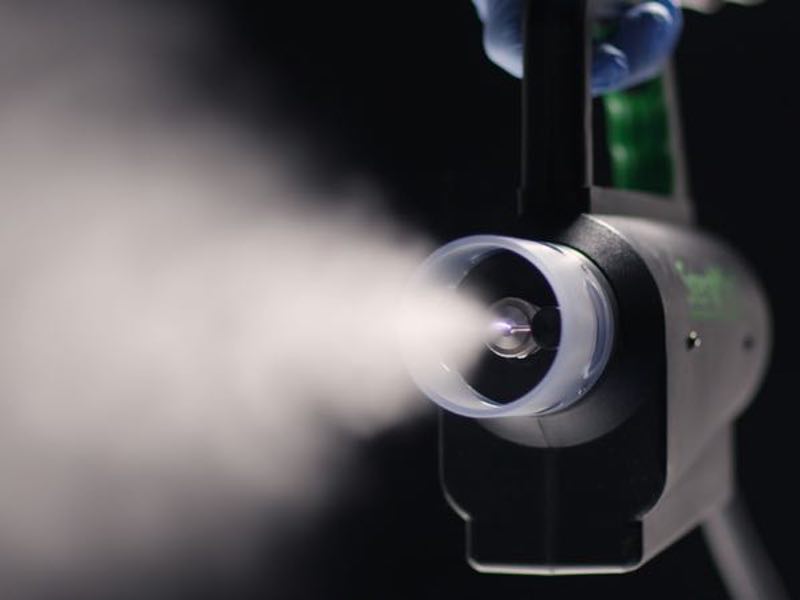
Cleanroom
Decontamination Solutions
SteraMist® is an advanced decontamination system using ionised hydrogen peroxide to deliver rapid, residue-free sterilisation of air and surfaces.
Explore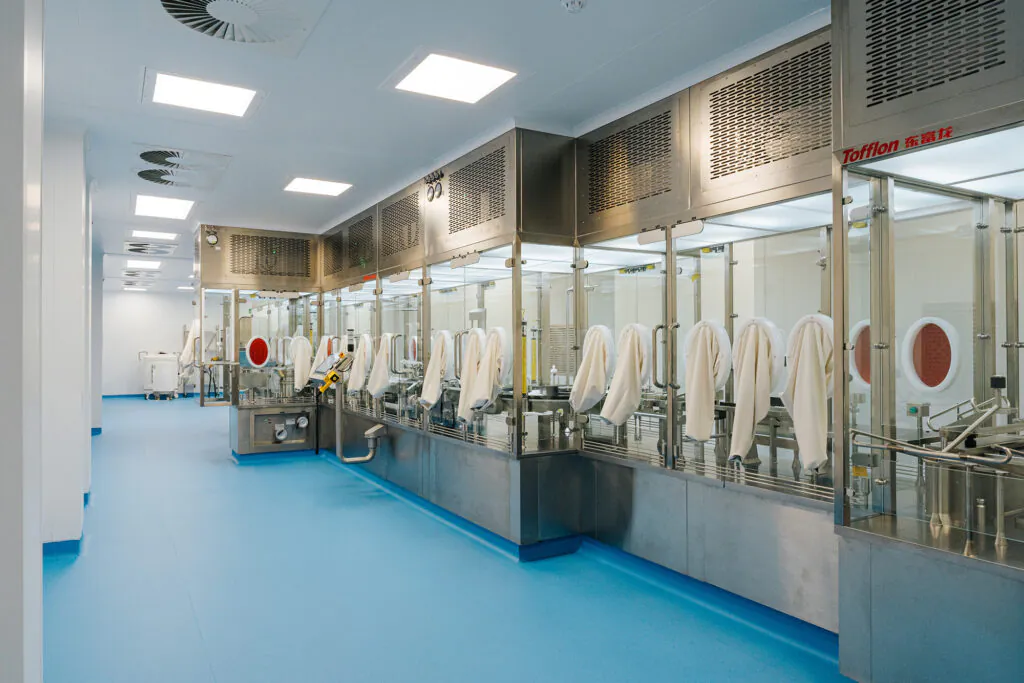
Cleanroom
Design & Construction
We create tailored cleanroom solutions, engineered to your exact specifications, ensuring performance, compliance and efficiency from the ground up.
Explore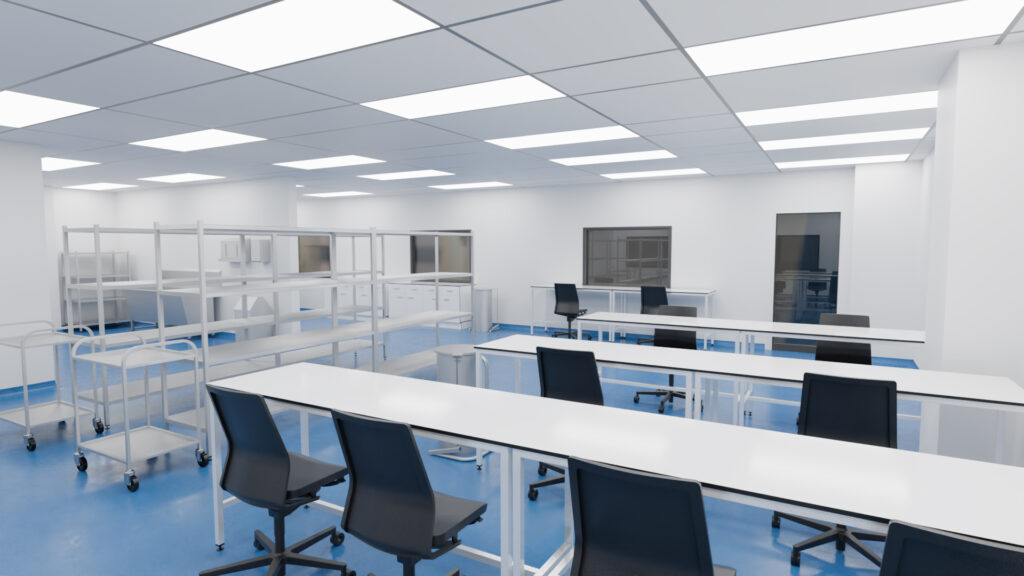
Cleanroom
Furniture
From modular to fully customisable solutions, our cleanrooms are built to meet the strictest standards for quality, compliance and operational excellence.
Explore
Cleanroom
Maintenance & Servicing
Keep your cleanroom performing at its best with our expert maintenance and servicing solutions, designed to minimise downtime and maximise reliability and efficiency.
Explore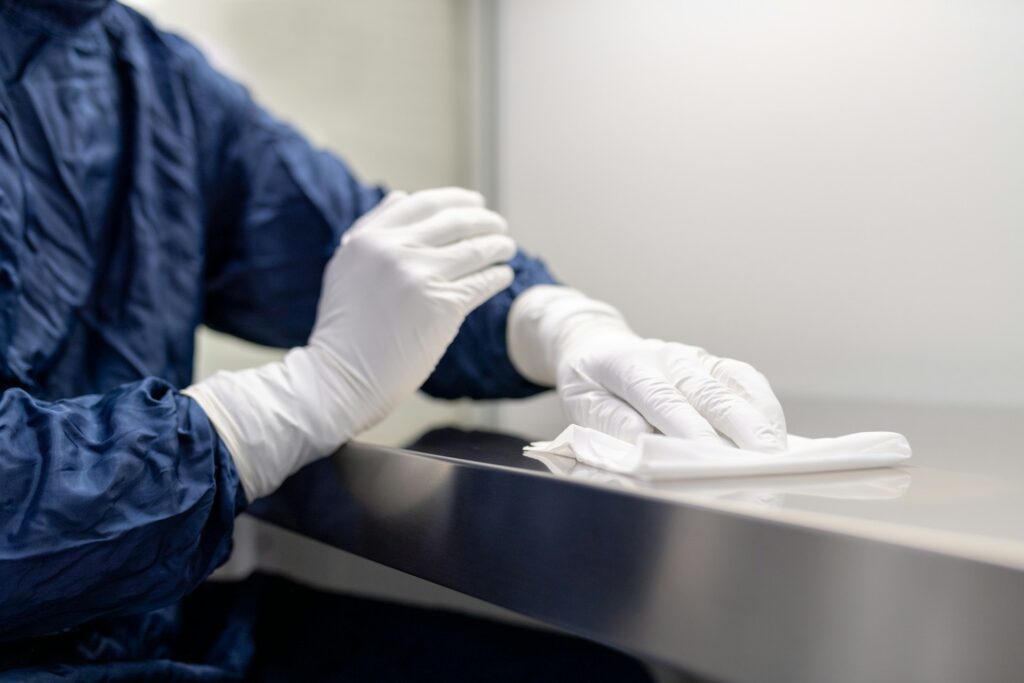
Environmental
Monitoring
Providing real-time environmental monitoring, delivering accurate, continuous data on air quality and critical conditions to support compliance and optimise controlled environments.
Explore