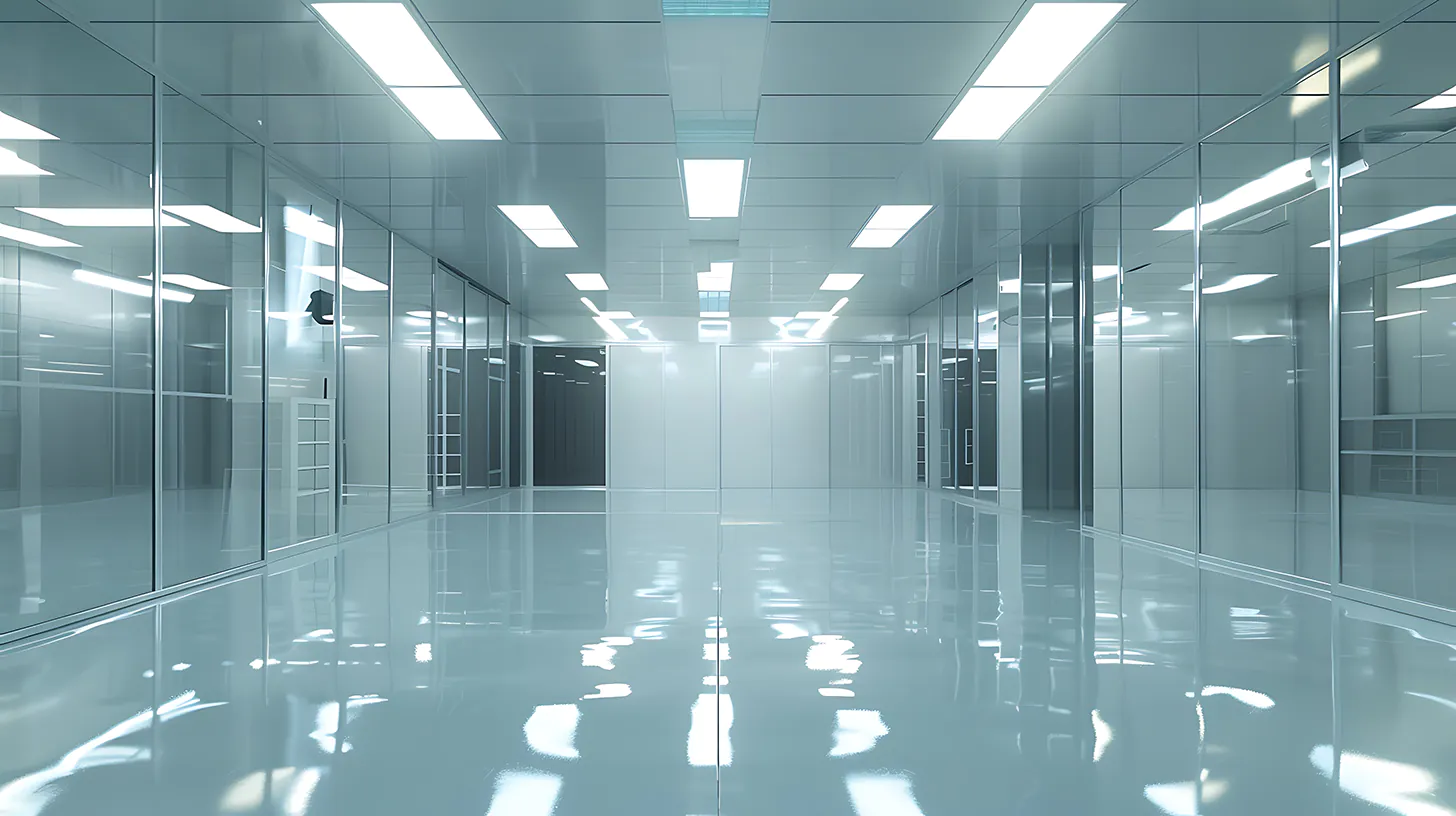

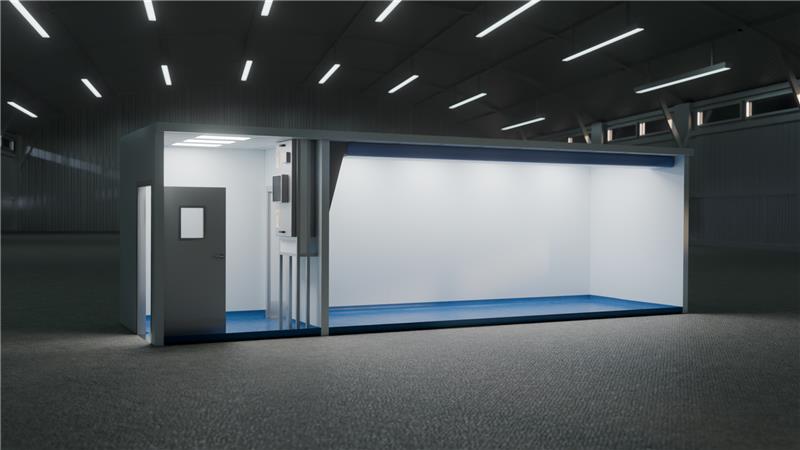
Understanding the types of cleanrooms is essential for organisations operating in regulated, high-performance environments such as pharmaceuticals, biotechnology, life sciences, and advanced research. Cleanrooms are designed to control contamination, meet ISO cleanroom regulatory requirements, and support increasingly complex processes.
As lab innovation accelerates, modular, rapidly deployable, and flexible cleanrooms are playing a huge role in helping organisations with contamination control and respond more quickly to operational and compliance demands.
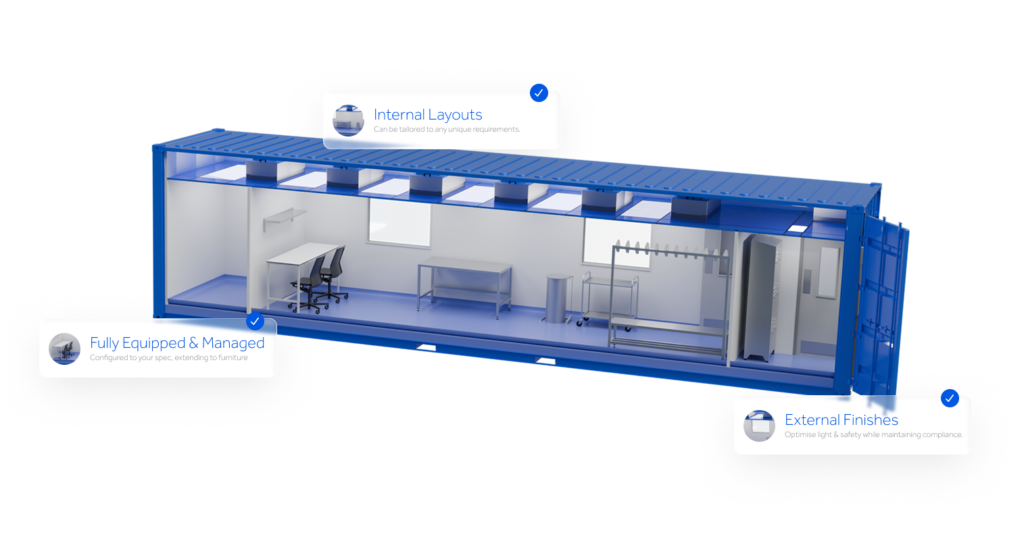
Different Types of Cleanrooms
The main types of cleanrooms can be categorised by their ISO cleanroom classification, construction method, deployment speed, and air cleanliness level. Traditionally, cleanrooms were built as permanent, hard-walled facilities.
Today, innovation has expanded this landscape to include modular cleanrooms, flexible and even inflatable cleanrooms that deliver compliant performance with significantly reduced lead times, all following good manufacturing practice (GMP).
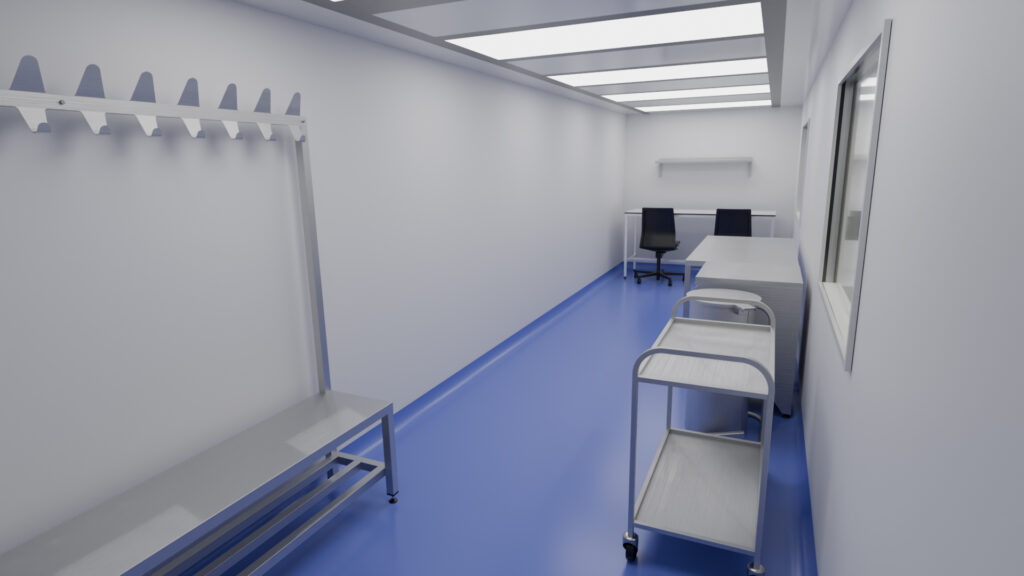
Total Clean Air Cleanroom Solutions: Three approaches, one compliant outcome
Total Clean Air has a portfolio of innovative cleanroom systems designed to meet the varying demands of regulated industries, from rapid-response deployment to long-term GMP manufacturing, to ensure your product quality.
TCA offers:
- Airelab Cleanroom: Rapidly Deployable Cleanrooms
- Modulab Cleanroom: Long-Term Aluminium Cleanrooms
- Flexilab Cleanroom: Flexible Cleanroom Solutions
Each solution supports controlled environment compliance, operational efficiency, and scalability while addressing diverse project timelines and use cases. TCA can even include all your cleanroom furniture and handle your complete cleanroom setup.
Total Clean Air Cleanroom Quick Guide
Selecting the right cleanroom solution depends on factors such as deployment speed, regulatory requirements and long-term operational needs. Comparing Total Clean Air’s three cleanroom design systems helps identify the solution best aligned with the application, timeline, and compliance objectives.
| Cleanroom solution | Construction Type | Speed of Deployment | Typical Applications | Key Advantages |
| Airelab | Inflatable, portable cleanrooms and rapidly deployable. | Minutes | Emergency capacity, temporary pharma operations, validation support, contingency planning | Ultra-fast cleanroom installation, minimal site disruption, a compliant controlled environment when time is critical |
| Modulab | Pre-engineered modular hardwall cleanroom with solid panels and structural frame | Weeks | GMP pharmaceutical manufacturing, biotech production, life science laboratories | Robust modular cleanroom construction, fully customisable, long-term compliance, scalable modular design |
| Flexilab | Modular frame with vinyl curtain (softwall cleanroom) | Days | R&D labs, pilot lines, sampling areas, offer a flexible, controlled cleanroom environment. | Cost-effective, easily reconfigurable, rapid installation, adaptable to changing processes |
Types of Cleanrooms in the Pharmaceutical Industry
A Pharmaceutical cleanroom sits in an industry driven primarily by Good Manufacturing Practice (GMP) classification, process risk, cleanroom grade, and lifecycle requirements. Cleanrooms may range from ISO Class 8 cleanroom(Grade D) environments for secondary operations to ISO Class 5 cleanroom (Grade A) for aseptic processing.
For urgent or temporary pharmaceutical applications, Airelab provides a rapidly deployable portable cleanroom solution. This inflatable, high-performance cleanroom can be installed in hours rather than weeks, making it ideal for emergency capacity, validation support or short-term projects where speed is critical.
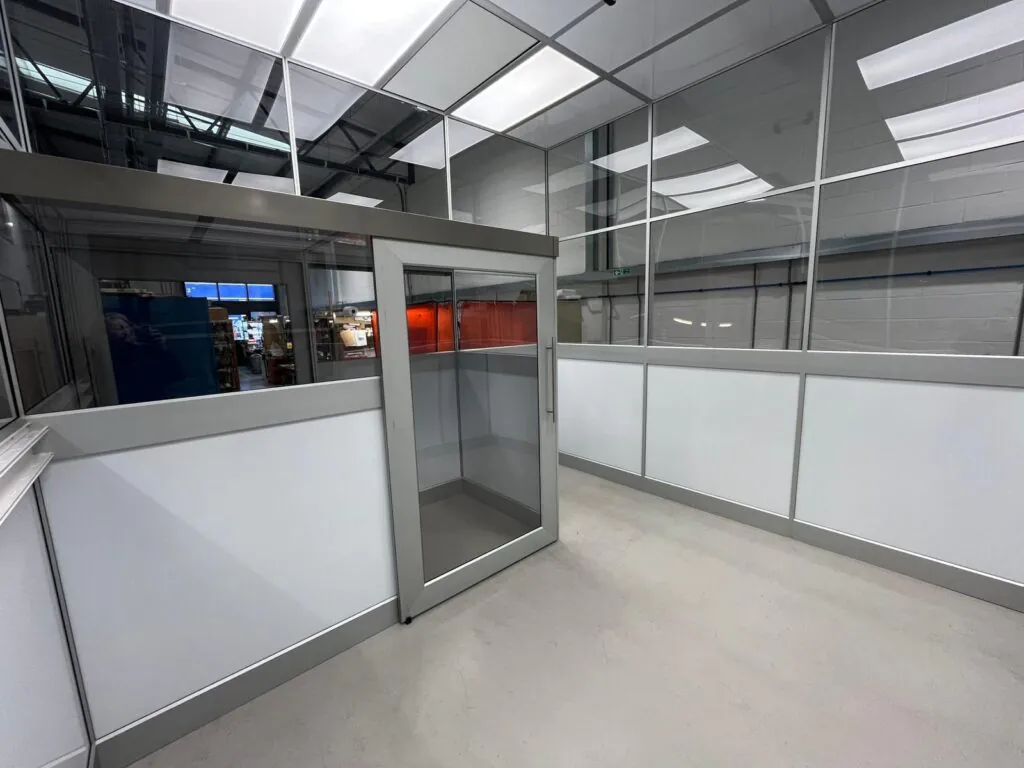
For long-term manufacturing or laboratory use, Modulab offers a robust, pre-engineered cleanroom structure. With solid panels and a customisable frame, Modulab delivers the durability and control required for GMP-regulated production while retaining the flexibility of modular construction.
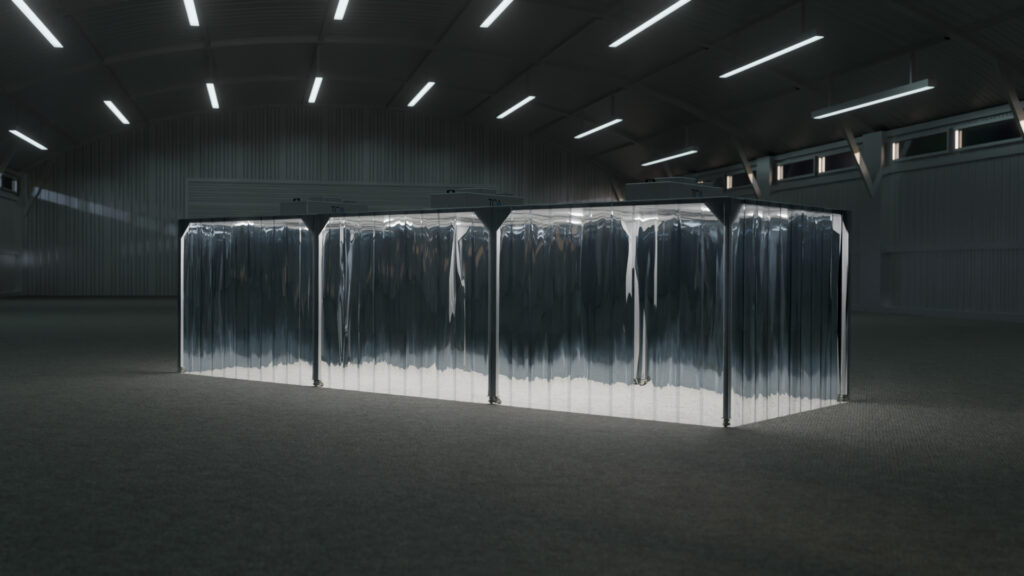
Types of Softwall Cleanroom
The types of softwall cleanrooms are typically characterised by a modular frame with vinyl curtain walls. Flexilab fits this category, offering a cost-effective, adaptable solution for controlled environments. Flexilab cleanrooms are well-suited to R&D, sampling areas, pilot lines and life science laboratories where processes may evolve over time.
Softwall cleanrooms offer faster installation, easier reconfiguration, and lower capital investment than traditional hardwall cleanroom systems.
Types of Cleanroom Doors
Selecting the appropriate types of cleanroom doors is essential for maintaining airflow, pressure differentials and contamination control. GMP-compliant doors must feature smooth, cleanable surfaces, airtight seals and compatibility with interlocking systems.
Door selection is influenced by traffic flow, room classification, and operational efficiency, and should be advised by a professional installer like TCA to ensure compliance with regulations.
Expert Cleanroom Solutions for Regulated Industries
From urgent cleanroom deployments to fully accredited, customised GMP environments, Total Clean Air supports regulated industries at every stage, from cleanroom set-ups to cleanroom furniture.
Get in touch to explore the most effective cleanroom solution for your facility and request a quote today.
FAQs About Cleanrooms
What drives the choice of clean room type in pharma?
GMP classification, ISO classification, deployment speed, process criticality, scalability, and lifecycle cost all influence cleanroom selection.
How do hardwall and softwall cleanrooms differ?
Hardwall cleanrooms provide greater structural rigidity and long-term use, while softwall systems offer flexibility, faster installation and lower upfront cost.
What door features are required for GMP clean room compliance?
Key features include tight sealing, easy-clean materials, pressure integrity and interlock compatibility.
By leveraging innovative solutions such as Airelab, Modulab and Flexilab, organisations can align their cleanroom strategy with both immediate operational needs.
See our resources and accreditations for more information.