
How Cleanroom Innovation Is Supporting the Next Generation of Aerospace and Defence Manufacturing
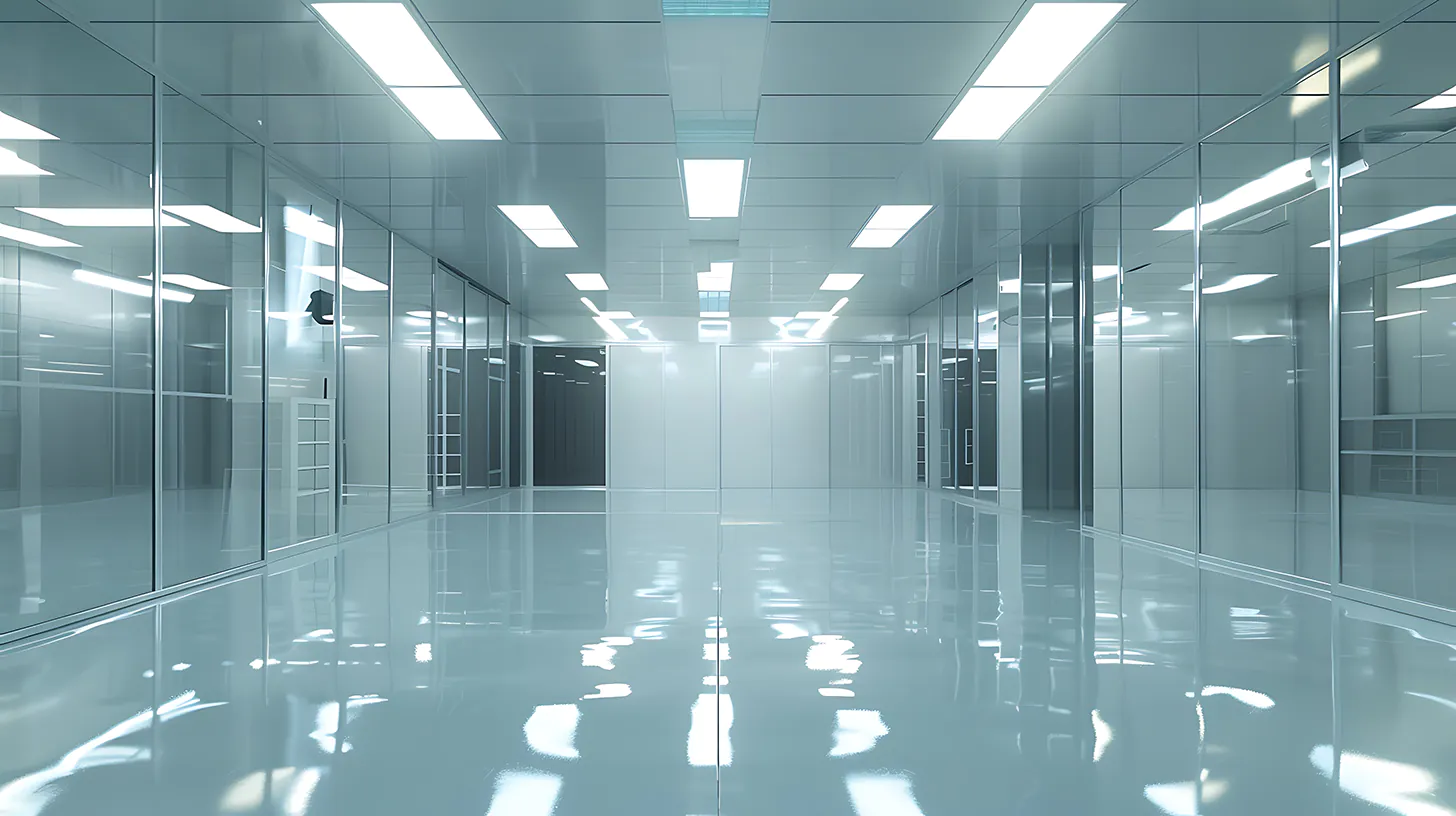
In aerospace and defence manufacturing, precision is paramount. Whether producing advanced avionics, satellite systems, military aircraft components or next- generation defence technologies, even microscopic contamination can compromise performance, reliability and safety. Cleanroom technology has therefore become a critical element of modern aerospace and defence production, providing the controlled environments required to meet increasingly demanding standards for quality, compliance and innovation.
As the sector embraces advances in artificial intelligence (AI), automation, quantum technologies and advanced materials, cleanrooms are evolving beyond traditional contamination control environments.
They are becoming intelligent, highly efficient manufacturing ecosystems that support the development of the technologies shaping the future of defence, aerospace and space exploration.
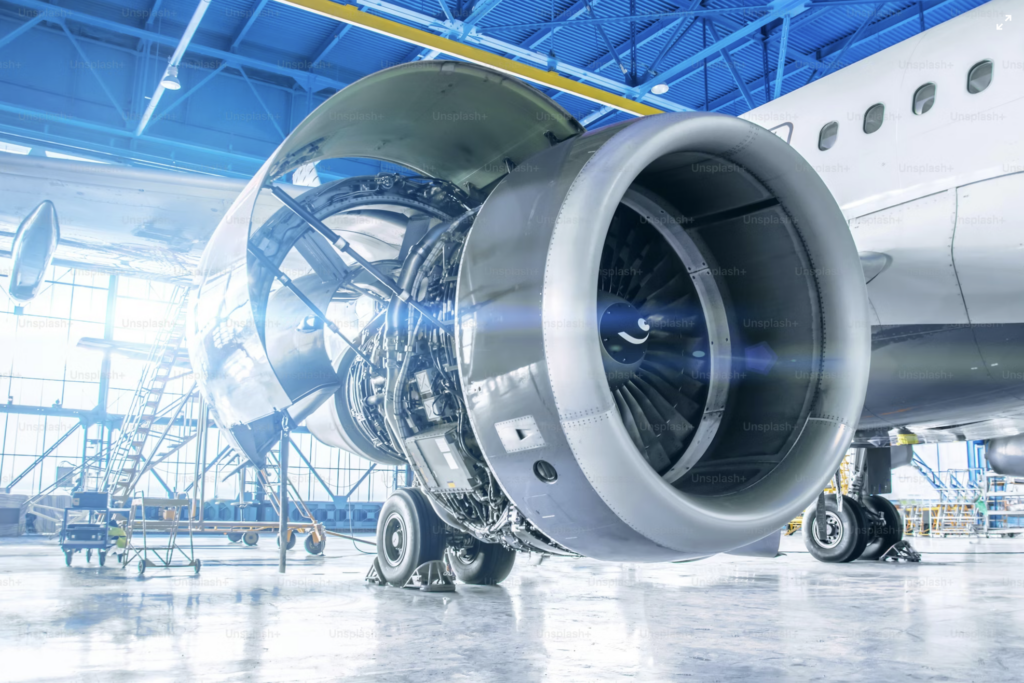
Why Cleanrooms Are Essential to Aerospace and Defence
The manufacture of cleanrooms for aerospace and defence systems demands exceptional levels of quality assurance and process control. From semiconductor components and optical sensors to advanced composite materials and satellite communications systems, many critical technologies require tightly controlled environments throughout the production process.
| Category | Semiconductor Manufacturing | Avionics Manufacturing |
|---|---|---|
| ISO Cleanroom Level | ISO 4–5 | ISO 6–7 |
| Contaminant Sensitivity | Extremely high | Moderate |
| Major Risks | ESD, particulate interference, photolithography defects | Signal degradation, EMI, component failure |
| Key Technologies | EUV lithography, vacuum deposition, wafer etching | PCB assembly, EMI shielding, secure encryption chips |
Cleanrooms provide precise control over airborne particulates, temperature, humidity and electrostatic discharge (ESD), helping manufacturers achieve the consistency and reliability required for mission-critical applications.
These environments are fundamental to the production of:
- Advanced avionics and flight control systems
- Satellite and space exploration technologies
- Defence communication networks
- Radar and sensor systems
- Precision-guided weapons platforms
- High-performance composite structures
As aerospace systems become increasingly sophisticated, the role of cleanroom technology continues to expand, supporting both product performance and regulatory compliance across the industry.
Intelligent Cleanrooms: The Impact of AI and Automation
The next generation of cleanrooms is being driven by digital transformation.
Artificial intelligence and automation are enabling manufacturers to monitor and optimise cleanroom performance in real time. Smart sensors, environmental monitoring systems and predictive analytics platforms can identify potential contamination risks before they impact production, helping to improve quality, reduce downtime and increase operational efficiency.
Automation is also reducing the need for manual intervention in sensitive manufacturing processes. Robotic handling systems, automated material transfer solutions and AI-driven process controls are helping organisations achieve greater consistency while maintaining strict contamination control standards.
In the years ahead, technologies such as digital twins, machine learning and autonomous environmental management systems are expected to play an increasingly important role in aerospace and defence cleanrooms, delivering even greater levels of operational intelligence and process optimisation.
Strengthening Defence Capability and National Security
Cleanroom technology is not only a manufacturing requirement, it is a strategic capability.
Many of the technologies that underpin modern defence operations rely on ultra- clean production environments. Advanced sensors, secure communications systems, satellite infrastructure, quantum technologies and military electronics all require highly controlled manufacturing conditions to achieve the performance standards expected in defence applications.
As governments seek to strengthen sovereign manufacturing capabilities and improve supply chain resilience, investment in advanced cleanroom infrastructure is becoming increasingly important. The ability to develop and manufacture critical technologies domestically helps reduce supply chain vulnerabilities while supporting long-term defence readiness.

For the UK aerospace and defence sector, maintaining access to world-class cleanroom facilities will be essential in supporting future innovation, strengthening national resilience and enabling collaboration across allied defence programmes.
Find out more about our expertise of cleanroom manufacturing within the defence sector here.
Driving Economic Growth and Skills Development.
The benefits of cleanroom investment extend well beyond manufacturing performance.
The continued growth of advanced manufacturing facilities creates demand for highly skilled engineers, technicians, contamination control specialists and materials scientists. These roles contribute to the development of a highly capable workforce while supporting innovation throughout the aerospace and defence supply chain.
Cleanroom-enabled manufacturing also strengthens international competitiveness by helping organisations meet the rigorous standards required by global aerospace and defence markets. As exports and international partnerships continue to grow, advanced cleanroom infrastructure will remain an important contributor to economic growth and technological leadership.
Sustainability and Efficiency in Modern Cleanroom Design
Sustainability is becoming an increasingly important consideration in cleanroom development.
Traditionally, cleanrooms have been associated with significant energy consumption due to the continuous operation of air handling and filtration systems. However, advances in cleanroom design are helping organisations reduce both environmental impact and operating costs.
Key innovations include:
- High-efficiency HVAC systems
- Intelligent environmental controls
- Modular cleanroom construction
- Energy-efficient filtration technologies
- Sustainable facility design principles
These developments are enabling organisations to achieve their sustainability objectives while maintaining the stringent contamination control standards required by aerospace and defence applications.
Looking Ahead: The Future of Aerospace and Defence Cleanrooms
The future of cleanroom technology will be shaped by continued advances in nanotechnology, artificial intelligence, quantum computing and space exploration.
As manufacturing processes become increasingly complex, cleanrooms will need to become more adaptable, connected and autonomous. Intelligent monitoring systems, predictive maintenance technologies and advanced automation platforms will transform how critical aerospace and defence components are designed, manufactured and validated.
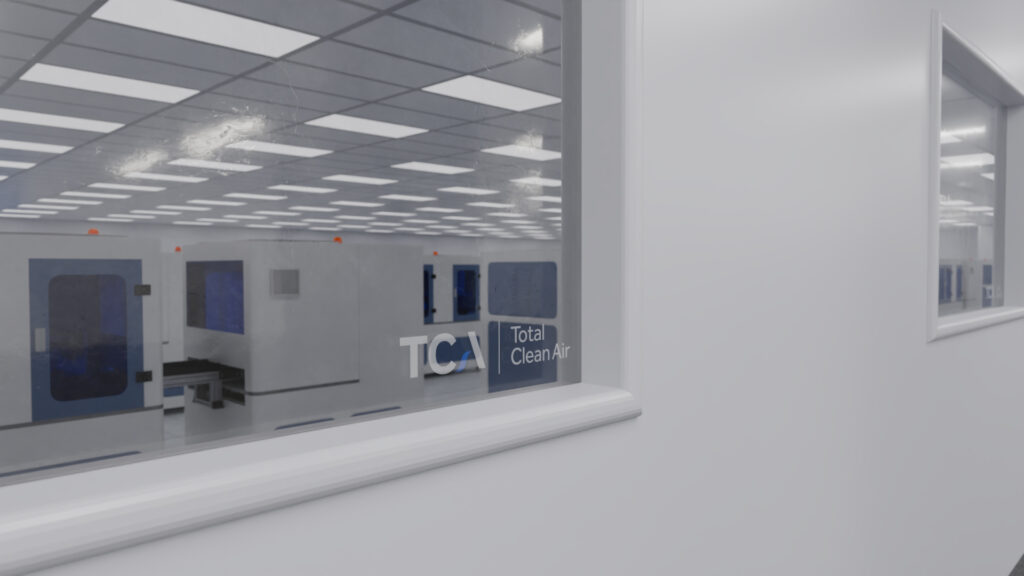
Continued investment in research, infrastructure and public–private collaboration will be essential to maintaining a competitive advantage. Equally important will be the development of regulatory frameworks that support innovation while preserving the rigorous quality standards upon which the industry depends.
Conclusion
Cleanroom technology is a cornerstone of modern aerospace and defence manufacturing. By enabling exceptional levels of precision, quality assurance and contamination control, cleanrooms support the production of the advanced technologies that power aircraft, spacecraft and defence systems around the world.
As the industry continues to evolve, intelligent and sustainable cleanroom environments will play an increasingly important role in driving innovation, strengthening supply chain resilience and supporting national security objectives.
At Total Clean Air (TCA), we understand the critical role cleanroom environments play in supporting high-performance manufacturing. Through our expertise in contamination control, cleanroom validation and compliance, we help organisations create the controlled environments required to meet the challenges of tomorrow's aerospace and defence sector.
Reference
Otoko, J. & Otoko, G.A. (2023). Cleanroom-Driven Aerospace and Defense Manufacturing: Enabling Precision Engineering, Military Readiness, and Economic Growth. International Journal of Computer Applications Technology and Research, Volume 12, Issue 11, pp. 42–56. Available at: https://ijcat.com/archieve/volume12/issue11/ijcatr12111007.pdf
Source: The themes and insights discussed in this article are informed by the research paper above and have been adapted for a UK aerospace and defence